Home / Products / Organic Dried Fruit / Figs
Wholesale ingredient • Documentation support • Custom processing
Figs
Wholesale supply for Figs with consistent specs, food safety documentation, and flexible formats for USA & Canada buyers— commonly used in bakery, bars, cereals, confections, and premium snack mixes for their honey-like sweetness and seeded texture.
Note: Fig appearance and sweetness can vary by variety, grade, and harvest season. If you need a specific color or size profile, include that in your request.
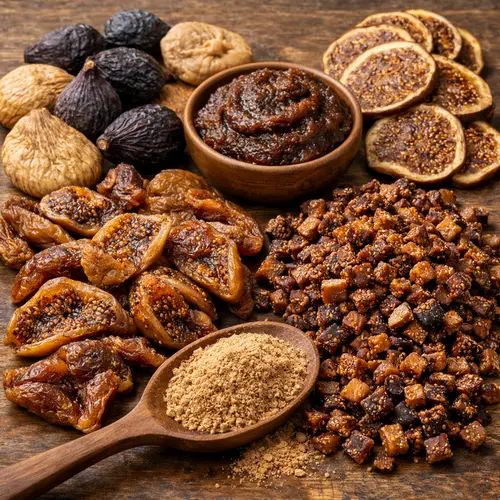
Why manufacturers choose figs
Figs provide natural sweetness and a distinctive seeded texture that works well in baked goods and better-for-you snacks. In many formulations, figs help deliver a “fruit-forward” profile without overpowering other inclusions like nuts, oats, cocoa, or spices.
- Flavor profile: honey/caramel notes with gentle fruit acidity.
- Texture: chewy bite with natural seeds for visual and mouthfeel interest.
- Versatility: whole for snacking, diced for inclusions, paste for fillings and binding.
- Label-friendly: supports fruit-based sweetening and premium positioning.
Common varieties & how they’re used (request-based)
Many buyers specify figs by variety to match flavor, color, and texture expectations. If you’re unsure, share your end product and target sensory profile.
| Variety (examples) | Typical characteristics | Often used for |
|---|---|---|
| Mission (black) | Darker color, rich sweetness, robust flavor in baked applications. | Bakery, snack inclusions, confections, premium mixes. |
| Calimyrna (gold) | Lighter color, mild honey notes, attractive appearance in slices. | Snack packs, bakery toppings, premium inclusions. |
| Industrial / baking figs | Optimized for chopping and pastes; value-focused option for formulations. | Diced figs, fig paste, fillings, bar bases. |
Variety availability can vary by origin and season. If you need consistent year-round supply, include your forecast and preferred delivery windows.
Common formats
Choose a format based on how you mix, bake, or deposit—and what you want consumers to see.
- Whole dried figs: retail snack packs, further processing, slicing.
- Pulled figs: torn pieces used for baking and inclusions; good for rustic applications.
- Sliced figs: toppings, bakery decoration, premium mix-in appearance.
- Diced / chopped figs: size-controlled inclusions for bars, granola, cereal, bakery.
- Fig paste: fillings, swirls, bar binder bases, confections.
- Granules / meal (request-based): more even dispersion in blends and mixes.
Options & documentation
- Organic and conventional options (where available)
- Kosher options (request current documentation)
- COA & spec sheets for QA and receiving
- Lot traceability and production planning support
- Import / export paperwork support when needed
Documentation availability can vary by origin and format—request current details with your quote.
Specs that matter (what buyers commonly define)
Figs are naturally sticky and seed-rich. These spec points typically influence production flow, finished texture, and visual consistency.
| Spec area | Why it matters | How to define it |
|---|---|---|
| Moisture & texture | Affects stickiness, clumping risk, and bake performance. | Target moisture range; “chewy” vs “firm” handling expectations. |
| Cut size & fines | Controls distribution and reduces segregation in mixes. | Nominal piece size + sieve range + acceptable fines %. |
| Color / variety | Visual appearance changes by variety and grade. | Mission vs Calimyrna (or “dark/light”); desired appearance notes. |
| Defect tolerance | Impacts quality perception and line risk. | Grade expectations; sorting requirements; QA thresholds. |
| Paste consistency | Affects pumping, depositing, and finished texture in fillings. | Viscosity expectations; screen size; packaging (pail/drum/tote). |
| Foreign material controls | Critical for inclusions and ready-to-eat products. | Your QA limits; inspection/screening requirements where applicable. |
If your product is sensitive to piece-to-piece moisture variability, consider a sieve-defined diced format or paste for tighter consistency.
Common applications
Figs can deliver flavor, sweetness, and texture in many categories. Here’s how teams typically specify figs by application.
Bakery
- Diced figs for muffins, breads, cookies
- Slices for toppings and visual appeal
- Moisture targets to prevent “wet pockets”
If you bake at high temps, ask about formats that reduce scorching and uneven browning.
Bars & bites
- Fig paste as a binder base or filling
- Diced figs for chewy inclusions
- Cut size control for consistent bite
For high-speed lines, fines control helps maintain accurate portioning and clean sealing.
Granola, cereal & mixes
- Sieve-defined diced formats for uniform distribution
- Reduced clumping for hopper flow
- Packaging to protect pieces from compression
If your mix includes powders, align particle size to reduce segregation in transit.
Packaging & handling (typical)
Figs can compress and stick, especially in warmer conditions. Packaging and liners can help reduce clumping and protect quality during transit.
- Bulk cartons / cases: common for whole and sliced formats.
- Bulk bags: often used for diced formats (liner options matter).
- Pails / drums: common for paste formats; request packaging that fits your equipment.
- Case pack planning: helps match warehouse handling and production staging.
Storage considerations (general)
Storage needs vary by format and shelf-life expectations. Many teams maintain quality by limiting humidity exposure and managing temperature swings.
- Temperature stability: warmer storage increases stickiness and compression.
- Humidity control: helps maintain texture and reduces clumping.
- FIFO & lot tracking: supports consistent production performance.
- Segregation: store away from strong-smelling ingredients if aroma transfer is a concern.
For formal storage requirements and shelf-life guidance, rely on the specific documentation and spec sheet for the lot/format you purchase.
How quoting typically works
The fastest path is to align on format and “must-have” specs first, then confirm documentation and lead time.
- Choose a format: whole, pulled, sliced, diced, paste.
- Define specs: cut size/sieve range, moisture, color/variety preference, and defect tolerances.
- Share volume & destination: annual usage + delivery region (USA/Canada).
- Confirm packaging: bag/carton/pail/drum and warehouse constraints.
Spec builder (copy/paste)
Use this template in your quote request to reduce back-and-forth.
Variety preference: Mission (dark) • Calimyrna (gold) • either
Format: whole • pulled • sliced • diced/chopped • paste
Target cut size / sieve (if diced):
Moisture / texture goal: chewy • firm • paste consistency needs
Certifications: organic • kosher • other
Allergen needs (declare/avoid):
Packaging: carton/bag weight • pail/drum (paste) • case pack
Annual volume estimate:
Delivery region: USA / Canada (state/province)
If you don’t know the variety, share your application (bakery, bars, cereal) and whether you want “dark” or “light” appearance.
Related categories
Browse categories where Figs are commonly sourced:
Organic Dried Fruit Dried Fruit Nuts & Seeds Oats
If some category links above don’t exist on your site yet, remove them or replace them with the correct URLs.
Request a quote for Figs
Share target specs (organic/kosher), format (whole/pulled, sliced, diced, paste), annual volume estimate, and delivery region (USA/Canada). For diced formats, include target cut size and acceptable fines %.
For paste, include packaging preference (pail/drum/tote) and intended use (filling, binder, swirl). If you have a QA checklist, attach it to your request.
Prefer email? Send your specs to contact@atlastradehouse.com.
FAQ
Do you have minimum order quantities (MOQs)?
MOQs depend on variety, format, and any custom processing (dicing size, paste packaging). Share your volume and destination and we’ll confirm MOQ and lead time options.
Can I request organic and conventional pricing?
Yes. Where available, we can quote organic and conventional options so you can compare cost, labeling, and lead times.
Which format is best for bakery?
Many buyers use diced or pulled figs for baked inclusions, and fig paste for fillings. If you want visible “coins,” sliced figs work well for toppings. Tell us your bake conditions and we’ll recommend a practical format/spec.
Do you offer custom cut sizes for diced figs?
Often yes. Provide a target cut size and acceptable fines percentage and we’ll propose a sieve-defined option to improve consistency and flow.
What documentation can you provide?
Documentation may include COAs, spec sheets, allergen statements, and lot traceability. Import/export support is available when needed. Availability varies by origin and format—request current details with your quote.
What helps you quote fastest?
Variety preference (dark vs light), format (whole/pulled/sliced/diced/paste), target cut size (if diced), certification needs (organic/kosher), annual volume estimate, delivery region, and packaging constraints.
For formal storage requirements and shelf-life guidance, rely on the specific documentation and spec sheet for your requested format/lot.