Products / Oats
Organic • Kosher options • Non-GMO
Oats
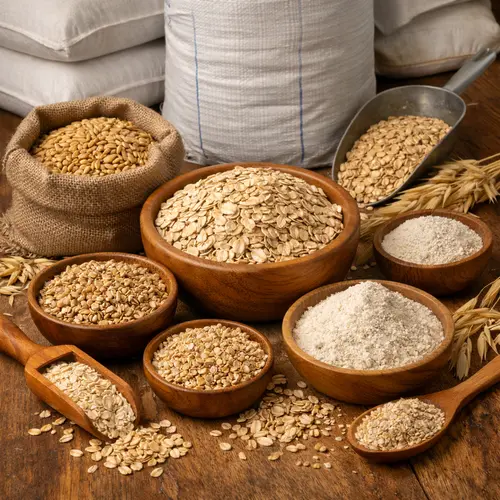
Wholesale supply for oats with organic options, documentation support, and custom processing formats for USA & Canada buyers. We help food manufacturers, brands, and co-packers source dependable oats in the format your line needs—rolled, quick, steel cut, flour, and tailored granulations for blends.
On this page
Jump to detailed specs, formats, packaging, quality documentation, and the quote form.
Typical items in this category
This category page summarizes common oat ingredients we can source. Availability, origin, certifications, and formats vary by market conditions and crop year. If you have a spec to match (flake thickness, granulation window, heat treatment, allergen requirements), share it—our team can propose suitable options.
| Ingredient | Common formats | Typical use cases | Notes |
|---|---|---|---|
| Oat Flour | Fine flour, medium flour, heat-treated options (as available) | Baking, batters, breading, drink mixes, sauces, nutrition blends | Ask about granulation targets, enzymatic activity, and gluten programs |
| Rolled Oats | Thick cut, regular, baby/topping, stabilized/heat-treated (as available) | Granola, bars, cereals, bakery inclusions, toppings | Specify flake thickness & breakage limits for your line |
| Quick Oats | Quick flakes, finer cut quick flakes, instant-style options (as available) | Instant foods, bars, baking, quick hydration blends | Often chosen for faster hydration and smoother bite |
| Steel Cut Oats | Pinhead, coarse, medium, fine cut windows (as available) | Hot cereals, savory applications, texture-forward inclusions | Ask about cut size distribution and cooking time expectations |
| Custom blends & more options | Multi-grain mixes, preblends, custom granulations, private label support | Granola bases, multi-cereal blends, functional mixes | Share your target label statement & process constraints |
Note: “Whole / sliced / diced / granules / powder” terminology can vary across suppliers. For oats, the most common distinctions are flake thickness (rolled/quick), cut size distribution (steel-cut), and flour granulation. We’ll align language to your specification.
Flexible pack formats
Standard bags, totes, and truckload-oriented solutions depending on the item and your receiving capability. We’ll align packaging to your warehouse and production flow.
- Food-grade bags (common for flours and flakes)
- Totes/supersacks for high-volume users
- Delivery planning for USA & Canada lanes
Documentation support
Typical manufacturer documentation can include COA, specs, allergen statements, non-GMO statements, and certificates when applicable (e.g., organic, kosher).
- Lot-level COA availability where supported
- Specs aligned to your QA requirements
- Traceability details by origin & supplier program
Custom processing
When volume and supply chain allow, we can support tailored granulations, flake thickness options, heat treatment programs, and custom blends for your application.
- Granulation windows for flour
- Flake thickness targeting
- Blend management and inclusion distribution
Formats & specification considerations
Oats are a versatile base ingredient, but procurement success depends on matching the right format to your product and process. Below are common specification levers your QA and R&D teams may care about.
Rolled & quick oats (flakes)
Flaked oats are produced by steaming and rolling groats into flakes. Most production lines will specify a flake profile to achieve consistent hydration, texture, and visual appearance.
- Flake thickness: influences bite and hydration rate
- Breakage limits: affects fines and dusting in packaging
- Moisture targets: supports shelf stability and flow
- Heat treatment/stabilization: can improve shelf life and control enzymatic activity (availability varies)
- Color/appearance: important for toppings and ready-to-eat cereal visuals
Tip: For bars and granola, you may want a flake that holds structure after mixing and baking; for instant-style foods, prioritize faster hydration.
Steel-cut oats (cut groats)
Steel-cut oats (also called pinhead oats in some contexts) are made by cutting groats into pieces rather than rolling them. They provide a more pronounced texture and typically longer cooking time.
- Cut size distribution: controls cooking time and texture
- Fines content: affects dusting and slurry formation
- Uniformity: matters for consistent batch-to-batch results
- Hydration behavior: influences viscosity and chew
- Application fit: best for texture-forward cereals and savory builds
Tip: If your process needs faster cook time, request a smaller cut size range and confirm expected hydration/cook performance.
Oat flour
Oat flour is used for texture, binding, nutrition positioning, and label-friendly formulation. Flour performance can vary by granulation, processing method, and stabilization.
- Granulation: fine vs medium impacts mouthfeel and dispersion
- Enzymatic activity: influences stability in certain applications (ask about treatment options)
- Viscosity behavior: relevant for beverage mixes and sauces
- Color/brightness: matters in light-colored finished products
- Fat content: can influence flavor release and shelf stability
Tip: For drink mixes, request a flour designed for good dispersion and reduced grittiness where available.
Certifications & claims
Many buyers require claim-ready ingredients. Share your label and program requirements early so we can narrow supply options.
- Organic: availability depends on origin and crop
- Kosher: available for select items/programs
- Non-GMO: documentation varies by supply program
- Gluten programs: ask about dedicated handling/testing options
- Allergen statements: aligned to your QA documentation needs
Tip: If you need gluten-free positioning, confirm acceptable ppm thresholds, testing cadence, and handling requirements.
Packaging & logistics for bulk oat supply
Packaging options depend on the product (flakes vs flour), your required handling method, and lane economics. We support common wholesale packaging and can work with your receiving constraints (pallet height, forklift access, dock type, appointment requirements).
Common pack sizes
- Food-grade bags (often 25 kg or 50 lb)
- Bulk totes/supersacks for higher throughput sites
- Full truckload planning for consistent volume programs
Pack formats vary by supplier and item. Tell us your preferred pack and max pallet height.
Lead time drivers
- Origin and mill availability
- Certification verification (organic/kosher programs)
- Custom processing requirements
- Lane capacity (seasonal trucking demand)
For repeat programs, we can help plan rolling releases based on your forecast.
Receiving checklist
- Delivery hours & appointment policy
- Dock type (standard dock, ground unload)
- Forklift and pallet jack access
- Required labeling (lot, PO, item code)
Sharing these details helps reduce detention risk and keeps deliveries on schedule.
Quality, food safety & documentation
Manufacturers and brands typically need consistent paperwork for QA release and compliance. Documentation availability depends on the supplier program and product format, but we can usually support standard files needed for onboarding and ongoing receiving.
Common documents (as available)
- Certificate of Analysis (COA) by lot
- Specification sheets
- Allergen statements
- Non-GMO statements (program-dependent)
- Organic certificates for organic items
- Kosher certificates for certified items
What QA teams often ask
- Target moisture and variability window
- Micro expectations for the application
- Foreign material controls and screening
- Traceability fields (lot coding, origin)
- Shelf-life guidance and storage conditions
If you have a supplier approval questionnaire, include it with your quote request.
Storage & handling guidance
- Keep sealed and protected from humidity
- Store cool and dry, away from strong odors
- Use FIFO rotation and record lot codes
- Confirm pest-control procedures for dry goods
Exact storage recommendations vary by product and packaging—ask for item-specific guidance.
How buyers use oats
Oats are widely used because they’re versatile, label-friendly, and compatible with many processing methods. Buyers often choose specific oat formats to control hydration, texture, and finished-product appearance.
Bars & snacks
- Rolled oats for structure and chew
- Quick oats to reduce harsh bite
- Oat flour as binder and label-friendly “flour”
Cereal & granola
- Flake selection for cluster structure
- Visual targets for toppings and inclusions
- Consistent breakage control for packaging
Bakery
- Oat flour for tenderness and texture
- Rolled oats for toppings and inclusions
- Blends for multi-grain positioning
Dry mixes
- Drink mixes and functional blends
- Seasoning carriers and dispersion aids
- Granulation control for flowability
Why manufacturers choose oats
- Texture control: flakes, cuts, and flours deliver different bite and hydration profiles
- Label-friendly: supports simple ingredient statements
- Formulation flexibility: works in sweet, savory, and functional products
- Process compatibility: can be blended, baked, extruded, and mixed depending on format
Common buying constraints
- Allergen/gluten: cross-contact considerations and documentation
- Consistency: granulation and breakage limits
- Availability: crop and origin seasonality
- Packaging: receiving and storage capability
- Documentation: onboarding requirements for QA
Rolled vs quick vs steel-cut: choosing the right oat
These formats are often used interchangeably in casual conversation, but they behave differently in production. Here’s a practical comparison to help align format choice with your application.
| Format | Texture | Hydration / cook behavior | Best for | Common spec focus |
|---|---|---|---|---|
| Rolled oats | Moderate chew, visible flakes | Medium hydration rate | Granola, bars, toppings, bakery inclusions | Flake thickness, breakage, moisture |
| Quick oats | Softer bite, finer flake profile | Faster hydration; smoother in mixes | Instant-style foods, softer bars, baking | Fines, hydration rate, consistency |
| Steel-cut oats | Pronounced texture, hearty chew | Typically longer cook; varies by cut size | Hot cereals, savory builds, texture-forward inclusions | Cut size distribution, fines, uniformity |
| Oat flour | Smooth (granulation-dependent) | Disperses into mixes; impacts viscosity | Baking, drink mixes, binding, coatings | Granulation, dispersion, treatment options |
If you’re reformulating: ask us about matching your current supplier’s flake thickness or flour granulation. Getting the “like-for-like” spec correct can reduce trial iterations.
How our oat sourcing process works
Our role is to simplify procurement by aligning your needs (specs, certifications, documentation, and delivery requirements) with available supply programs. Below is a typical workflow for wholesale oat buyers.
1) Define your spec
- Choose format: rolled, quick, steel-cut, flour, or blend
- Provide target granulation, thickness, or cut window if applicable
- Confirm certification needs (organic/kosher/non-GMO)
- Share allergen and gluten program requirements
2) Confirm volume & lane
- Monthly/annual forecast (even a range helps)
- Delivery ZIP/postal code and receiving constraints
- Preferred pack format (bags/totes) and pallet specs
- Target timing (spot buy vs ongoing program)
3) Quote & sample path
- We share available options and pricing structure
- Documentation review for QA onboarding
- Sampling path where applicable
- Finalize pack, labeling, and delivery scheduling
Request a quote for oats
Share the details below and we’ll respond with available options for your target volume in the USA or Canada. If you prefer, you can also use our main contact page—this form is a quick-start for oat inquiries.
Quick quote details
Common questions buyers ask before switching suppliers
Changing oat suppliers can affect texture, hydration, and finished-product consistency. Here are typical questions we can help you answer during evaluation.
- Will the new oat match our hydration curve? We’ll align format and key spec targets.
- What’s the fines/breakage level? We can discuss screening and typical breakage expectations for the format.
- Do you support our label claims? Organic, kosher, non-GMO, and gluten programs can be reviewed by need.
- Can you meet our documentation standards? We can provide standard QA files where available.
- What is the best packaging for our throughput? Bags vs totes can impact receiving and line efficiency.
Looking for a broader grain program?
Many manufacturers source multiple dry ingredients together to simplify inbound logistics and documentation management. If you are building a broader program, ask about bundling grains, flours, and blend components.
- Multi-grain blends and bases
- Complementary ingredients for cereals and bars
- Private label and co-pack alignment support
FAQ
Do you offer organic options for Oats?
Many items in this category have organic options. Share your certification requirements (USDA Organic, Canada Organic where relevant), target format (rolled/quick/steel-cut/flour), and delivery lane. We’ll confirm what’s currently available by origin and program.
Can you supply bulk packaging?
Yes—bulk and wholesale pack sizes are available depending on the ingredient and supply program. Common options include food-grade bags, totes/supersacks, and truckload-oriented solutions for consistent volume. Tell us your receiving constraints and we’ll recommend the best fit.
Do you support custom processing?
Often yes. Depending on product and volume, we can support tailored flake thickness, cut size distribution, granulation targets, and custom blends. If you have a current spec sheet, share it so we can match performance as closely as possible.
What documentation can you provide?
Documentation availability varies by product and supplier program, but we can typically support COA (where offered), specification sheets, allergen statements, and claim-related documentation (organic/kosher certificates when applicable). If you have a vendor onboarding packet, include it with your request.
Do oats contain gluten?
Oats are naturally gluten-free but may be exposed to wheat, barley, or rye during farming, transportation, or milling. If you need a gluten-free program, tell us your requirements so we can review available options and documentation.
Which oat format is best for bars?
Many bars use rolled oats for structure and visual identity, while quick oats can soften bite and help reduce hard texture. Oat flour is commonly used as a binder. The best choice depends on your target chew, process conditions, and moisture profile.
Can you ship to both the United States and Canada?
Yes. We support buyers in the United States and Canada. Share your delivery destination and receiving details so we can confirm lane feasibility, packaging, and timing.
How should oats be stored?
Store sealed in a cool, dry environment and protect from humidity and odors. Use FIFO rotation and track lot codes for traceability. Item-specific recommendations can vary—ask for guidance based on the product you’re sourcing.
Do you offer samples?
Sample availability depends on the item and supplier program. If you’re qualifying a new oat format, tell us the spec you’re matching and your intended use case. We can discuss practical sample paths where available.
Ready to source oats for your production line?
Whether you need rolled oats for granola, quick oats for instant foods, steel-cut for texture, or oat flour for baking and blends, we can help you find the right format and documentation set for your program.
For urgent requests, include your volume, destination, and any certification needs—this helps us respond faster with relevant options.