Home / Products / Coconut Ingredients / Coconut Milk
Wholesale ingredient • Documentation support • Custom processing
Coconut Milk
Wholesale supply for Coconut Milk with consistent specs, food safety documentation, and flexible formats for USA & Canada buyers—ideal for beverage, dessert, sauce, and prepared-food manufacturing.
For fastest quoting, include: format (canned/aseptic/frozen/powder), fat % target, stabilizer preference, pack size, and annual volume.
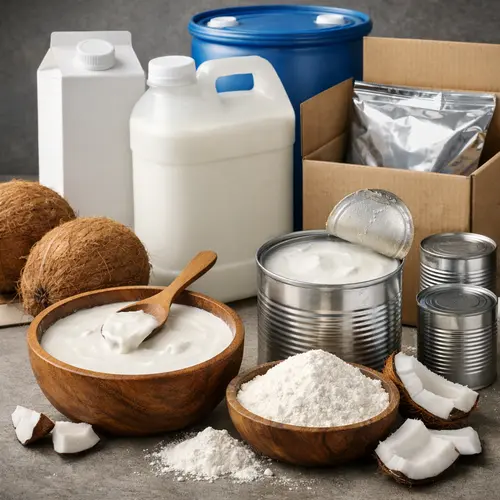
What is coconut milk?
Coconut milk is a creamy ingredient made from coconut kernel (white meat) and water. In manufacturing, coconut milk is used to deliver a distinct coconut flavor, rich mouthfeel, and stable fat-in-water performance across beverages, desserts, sauces, soups, and prepared foods.
- Full-fat vs light: selected by fat % targets, mouthfeel, and calorie requirements.
- Clean-label options: available depending on stabilizer/emulsifier preferences.
- Process-ready formats: canned, aseptic, frozen, or powder solutions for different production flows.
Not sure which format fits your line? Tell us your process (UHT, hot-fill, retort, frozen, dry-blend) and we’ll recommend a practical option.
Why manufacturers source coconut milk in bulk
- Consistency: defined fat %, viscosity and sensory targets for predictable batches.
- Supply planning: packaging, shelf life, and documentation aligned to production schedules.
- Format flexibility: choose shelf-stable, frozen, or dry formats based on your plant.
- Program options: organic and kosher requests supported where available.
We support procurement teams and co-packers with clear specs, lot documentation, and format selection for USA & Canada deliveries.
Common coconut milk formats
Coconut milk programs differ by application, shelf-life goals, and processing method. Below are common formats used in manufacturing.
Canned coconut milk
- Standard for culinary and prepared foods
- Often used in sauces, soups, curries
- Multiple can sizes possible (program-dependent)
- Consistent fat and flavor targets
Best for retort-friendly workflows and culinary profiles.
Aseptic (shelf-stable)
- For beverage and ready-to-drink applications
- Case-ready formats (program-dependent)
- Supports modern distribution channels
- Often selected for clean handling and storage
Great when cold-chain is not desired and shelf-life is key.
Powder solutions
- Used in dry blends, mixes, and powders
- Efficient storage and transport
- Convenient for dosing and batching
- Reconstitution support for R&D needs
Ideal for dry-blend manufacturing and portion-controlled applications.
Frozen coconut milk (program-dependent)
Some manufacturers prefer frozen formats for specific texture outcomes or cold-chain programs. If frozen is required, share your storage capability and target pack style.
- Cold-chain handling
- Suitable for certain desserts and prepared foods
- Batching and thaw protocols may apply
Concentrates & custom solids (as available)
For high-throughput plants, concentrates can reduce freight and storage while supporting standardized dilution. Availability depends on program and volume.
- Target solids for controlled dilution
- Useful for beverage bases and sauces
- Supports consistent batch outcomes
Specification targets buyers commonly request
Share your must-have spec ranges so we can match the right option.
- Fat % target: full-fat, light, or custom targets (program-dependent)
- Viscosity/mouthfeel: aligned to beverage, sauce, or dessert needs
- Stabilizer preference: clean-label vs standard functional systems
- pH expectations: important for beverages and fermented products
- Micro requirements: especially for beverage, dairy-alternative, and RTE programs
- Sensory profile: coconut flavor intensity, aroma, and color
Spec ranges vary by origin, season, and processing—request current values for the lot/offer.
Options & documentation
- Organic and kosher options where available
- COA and specification sheets for incoming QA
- Lot traceability and packaging/label details
- Support for import/export paperwork when needed
- Private label and custom labeling (program-dependent)
Documentation availability can vary by origin and format—request current details with your quote.
Helpful details to include in your quote request
- Format: canned / aseptic / powder / frozen
- Fat % target and stabilizer preference
- Pack size and case pack
- Annual volume + first shipment timing
- Ship-to location (USA/Canada) and preferred freight terms
Applications for coconut milk
Coconut milk supports a wide range of manufacturing categories, from dairy-alternative beverages to sauces and desserts. Below are common applications to help guide format selection.
Beverages
- RTD coconut beverages
- Smoothies and beverage bases
- Barista-style blends (foam and mouthfeel targets)
- Flavor-forward beverages (coffee, chocolate, fruit)
Aseptic formats are commonly selected for beverage programs.
Sauces, soups & prepared foods
- Curries, simmer sauces, soup bases
- Prepared meal components
- Dressings and marinades
- Foodservice packs (program-dependent)
Canned or bulk liquid formats are often used in culinary and retort lines.
Desserts & frozen
- Ice creams and frozen desserts
- Puddings, custards, cream-style fillings
- Non-dairy whipped-style applications
- Bakery fillings and toppings
Share your fat % and freeze/thaw expectations for best matching.
Dry mixes & powdered products
- Instant drink mixes and latte powders
- Bakery mixes and dessert blends
- Seasoning blends and culinary powders
- Portion-controlled sachets
Coconut milk powder solutions can simplify storage and dosing in dry-blend plants.
Formulation notes (practical)
- Fat separation: manage with emulsifier/stabilizer systems matched to your process.
- Heat treatment: UHT/hot-fill/retort can affect viscosity and flavor—spec accordingly.
- Acidified beverages: pH and stabilization approach matter for stability and shelf life.
- Clean-label goals: specify what is acceptable in your ingredient statement up front.
Tell us your processing method and label constraints and we’ll propose a suitable option.
Storage & handling (general guidance)
Always follow your QA team’s SOPs and the documentation provided for the lot. Typical best practices include:
- Store in a clean, dry area away from strong odors
- Observe temperature recommendations for the specific format (aseptic/canned vs frozen)
- Use FIFO and track lots for traceability
- After opening, handle with sanitary controls suitable for your production environment
If you need format-specific handling notes (aseptic connection procedures, can storage, powder humidity controls), request them with your quote.
Quality & compliance support
We support manufacturers, brands, and co-packers with documentation and traceability expectations commonly required for audit readiness and customer requirements.
- COA, specification sheets, and lot/traceability details
- Organic and kosher documentation where applicable
- Packaging/label details for receiving and QA
- Support for cross-border paperwork when needed
For strict QA programs, share your required tests/spec ranges (fat %, micro, viscosity, pH, sensory) so we can match the right option.
Related categories
Browse categories where this ingredient is commonly sourced:
Coconut Ingredients Bulk Oils Organic
If you’re building a full coconut program, ask about complementary items such as coconut cream, coconut oil, desiccated coconut, and coconut flour (availability varies).
Request a quote for Coconut Milk
Share target specs (organic/kosher), format, fat % target, pack size, annual volume estimate, and delivery region (USA/Canada). Include your application (beverage, sauce, dessert, mix) so we can recommend the right format.
Fast quote checklist
- Format: canned / aseptic / powder / frozen
- Fat % target (full-fat vs light)
- Stabilizer preference (if any)
- Packaging/pack size
- Ship-to location and timing
Optional details
- Viscosity or mouthfeel target
- Micro expectations
- Private label requirements
- Forecast (monthly/quarterly)
- Preferred freight terms
Prefer email? Reach us at contact@atlastradehouse.com.