Wholesale ingredient • Documentation support • Flexible packaging
Vegetable Oil
Wholesale supply for Vegetable Oil with consistent specifications, food safety documentation, and flexible delivery formats for manufacturers, brands, and co-packers in the USA & Canada.
Looking for a specific source oil (canola / sunflower / soy) or a neutral blend? Include it in your request—we’ll match an option.
Best for
Frying & sauté, sauces, marinades, bakery, snack manufacturing, prepared meals, dressings, and general food production needing a neutral oil.
- Neutral flavor profile options
- High-volume manufacturing
- Blend or single-source specs
Typical documentation
Documentation can vary by origin and oil type. Request current files with your quote.
- Certificate of Analysis (COA)
- Specification sheet
- Allergen statement (as applicable)
- Country of origin / traceability info
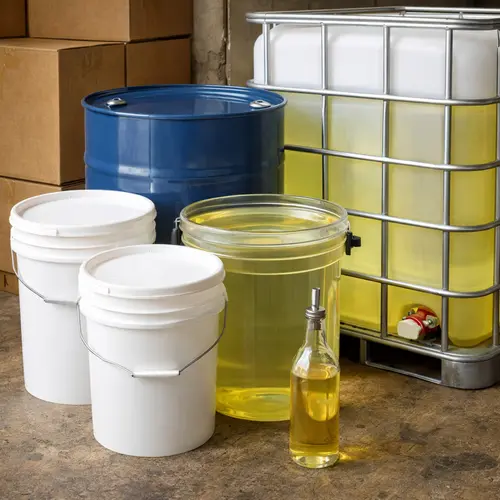
Packaging
Choose the format that fits your receiving and production setup.
- Pails (small bulk)
- Drums (standard wholesale)
- Totes / IBCs (higher volume)
- Bulk tanker (subject to lane & requirements)
What we mean by “Vegetable Oil”
In wholesale ingredient purchasing, “vegetable oil” can refer to a neutral refined oil blend or a specified single-source oil depending on your labeling and performance needs. Because terminology varies between buyers and applications, we quote against a defined spec to make sure you receive the right product.
Common buyer requirements
- Source: canola, sunflower, soy, corn, or a declared blend (based on your formula and label needs)
- Processing: refined / deodorized / winterized (as applicable), filtered
- Performance targets: fry stability, flavor neutrality, cold clarity, or viscosity behavior
- Labeling: organic, non-GMO, kosher (where available)
- Logistics: packaging type, pallet pattern, delivery window, receiving constraints
If you share your target use-case (e.g., frying line, sauce kettle, bakery), we can recommend the spec details to include in your RFQ.
Key specifications buyers often request
Exact parameters vary by oil type and standard. Below are examples of information often captured in spec sheets and COAs.
Identity & quality
- Appearance / color range
- Odor / flavor neutrality
- Moisture & volatiles (target)
- Insoluble impurities (target)
Stability & chemistry
- Free fatty acids (FFA) target
- Peroxide value (PV) target
- Anisidine value / Totox (if requested)
- Smoke point guidance (application-based)
Handling
- Viscosity / pour behavior
- Cold stability / clarity requirements
- Suggested storage conditions
- Shelf-life expectations by format
Compliance
- Allergen statement (as applicable)
- GMO statement (if required)
- Kosher / organic certificates (if required)
- Lot traceability / origin statement
Have a vendor spec you want to match? Send it with your inquiry and we’ll quote the closest equivalent.
Applications
Vegetable oil is widely used because it can be formulated for neutral flavor and consistent performance across food categories. Below are common use-cases and what buyers typically optimize for.
Frying & foodservice
- Stability under heat and turnover
- Neutral aroma/flavor
- Operational consistency across batches
- Packaging for back-of-house handling
Sauces, dressings & marinades
- Mouthfeel and emulsification behavior
- Cold clarity and pourability
- Flavor neutrality to preserve seasoning
- Label alignment for retail products
Bakery & prepared foods
- Texture and moisture contribution
- Consistency in dough/batter performance
- Oxidative stability for shelf life
- Scalable packaging for production lines
If you tell us your end product and process (hot fill, cold fill, frying line, etc.), we can help narrow the right oil type and documentation set.
Packaging & logistics details
Packaging and delivery configuration can impact handling speed, storage footprint, and landed cost. Share your constraints so we can quote the best lane and format.
Common wholesale formats
- Pails: easier manual handling for smaller-volume production
- Drums: standard for many manufacturers; compatible with pumps
- Totes / IBCs: higher volume; efficient receiving and staging
- Bulk: large-volume operations with appropriate receiving equipment
What to include in your request
- Ship-to city/state/province and whether you can receive LTL/FTL
- Dock/forklift availability and any appointment requirements
- Preferred packaging and pallet configuration (if known)
- Target delivery window and whether you need scheduled releases
Quality, safety & traceability
Manufacturers often need documentation to support internal QA, audits, and product labeling. Availability depends on the chosen oil type, origin, and program.
Documentation support
- COA tied to lot/batch
- Spec sheet (targets & methods)
- Allergen statement (as applicable)
- Traceability / origin details
Program options
- Organic options (where available)
- Kosher options (where available)
- Non-GMO documentation (where available)
- Private label coordination (volume-dependent)
Need to qualify a new supplier? We can align on your vendor approval checklist and confirm what can be provided for the specific program you request.
How to request a quote (fastest turnaround)
The more detail you share, the more precisely we can quote and reduce back-and-forth—especially for documentation requirements and labeling constraints.
1) Your spec
- Oil type (or “neutral vegetable oil”)
- Refined / deodorized requirement
- Organic / kosher / non-GMO needs
- Any target QA parameters
2) Your volume
- Trial quantity and ramp plan
- Monthly or annual estimate
- Release schedule (single vs. recurring)
- Preferred packaging format
3) Your delivery
- Ship-to region (USA/Canada)
- Receiving constraints (dock/forklift)
- Requested lead time
- Any compliance paperwork needs
Related categories
Browse categories where this ingredient is commonly sourced:
Common alternatives buyers compare
If you’re optimizing for nutrition label, price stability, or cold clarity, buyers may compare several oil options before locking a spec.
- Canola oil (often chosen for neutral profile)
- Sunflower oil (used in certain clean-label programs)
- Soybean oil (common in large-scale production)
- High-oleic options (when stability targets are prioritized)
Tell us your priority (cost, labeling, stability, or flavor) and we’ll suggest what to quote.
FAQ
Answers to common wholesale purchasing questions for vegetable oil programs.
Do you have minimum order quantities (MOQs)?
MOQs depend on oil type, packaging (pails, drums, totes, bulk), and origin. Share your target volume and delivery region (USA/Canada), and we’ll outline MOQ options and lead times.
Can I request organic and conventional pricing?
Yes. Where available, we can quote organic and conventional options so you can compare landed cost, label claims, and documentation.
Do you offer custom blends?
Depending on the oil program and volume, custom blend specs may be possible. Provide your target profile and any label restrictions so feasibility can be confirmed.
What documents can you provide for audits and QA?
Common documents include COA, specification sheet, allergen statement (as applicable), and traceability information. Documentation availability varies by origin and format—request current details with your quote.
Do you support private label?
Private label support may be available depending on volume and packaging requirements. Include your label format, packaging preference, and target markets so we can advise on options.
How should I store vegetable oil in production?
Store in a cool, dry area away from direct light and strong odors. Keep containers sealed when not in use, and follow FIFO inventory practices. For bulk/tote programs, share your receiving and storage setup so we can advise on handling considerations.
Request a quote for Vegetable Oil
Share your preferred oil type (or blend), packaging format, annual volume estimate, and delivery region (USA/Canada). If you need organic, kosher, or non-GMO documentation, include it in your request.